
Training Ombudsman bill to benefit apprentices
Queensland’s apprentices and trainees are set to receive a boost, as the state government introduces a new bill that is designed to strengthen the vocational education and training (VET) sector.
Read the latest on industry updates, inspiring career stories and more!

Queensland’s apprentices and trainees are set to receive a boost, as the state government introduces a new bill that is designed to strengthen the vocational education and training (VET) sector.

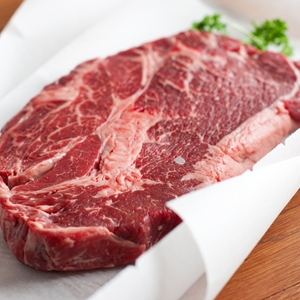
While butchery is an industry that has strong historic ties to the Australian community, the sector is currently struggling through a major skill shortage.

If you don’t have a lot of industry experience or background to rely on, the people that you select as your references could make a real difference to your chance of gaining an apprenticeship.

There is a common misconception that advancing of technical innovations and robotics will have a negative impact on employment and apprenticeship opportunities. While they will certainly have an effect, a new report from recruitment firm Hays suggests it will change job descriptions rather than simply replace.

For many centuries, the art of baking fresh bread and pastries has been at the cornerstone of society. This well-respected and traditional occupation is essential to the Australian community, but is currently under threat.

Over the next 20 years, Mackay and its associated regions are expected to see high population growth. As a result of its flourishing economy, the coastal hub is becoming one of the go-to locations in Queensland, and the council is eager to build on this momentum.

For a number of years, Aboriginal unemployment has been a focus for state and federal governments. According to the Australian Bureau of Statistics, those of Aboriginal and Torres Strait Islander descent are more than 20 per cent less likely to be in employment compared to non-indigenous people.

Due to the significant size of Queensland’s roading network, transport infrastructure is always going to be a major topic for the state government, city councils and construction businesses. In fact, as population increases, this is an issue that will only grow in importance.

Regardless of your age, upskilling is a vital piece of your career puzzle. Whether this includes improving your skill sets in your chosen industry or deciding to switch to another, statistics released this month from the National Centre for Vocational Education Research (NCVER) highlight the scope of Australians committed to improving their career prospects.

Queensland’s apprentices and trainees are set to receive a boost, as the state government introduces a new bill that is designed to strengthen the vocational education and training (VET) sector.

While butchery is an industry that has strong historic ties to the Australian community, the sector is currently struggling through a major skill shortage.

If you don’t have a lot of industry experience or background to rely on, the people that you select as your references could make a real difference to your chance of gaining an apprenticeship.

There is a common misconception that advancing of technical innovations and robotics will have a negative impact on employment and apprenticeship opportunities. While they will certainly have an effect, a new report from recruitment firm Hays suggests it will change job descriptions rather than simply replace.

For many centuries, the art of baking fresh bread and pastries has been at the cornerstone of society. This well-respected and traditional occupation is essential to the Australian community, but is currently under threat.

Over the next 20 years, Mackay and its associated regions are expected to see high population growth. As a result of its flourishing economy, the coastal hub is becoming one of the go-to locations in Queensland, and the council is eager to build on this momentum.

For a number of years, Aboriginal unemployment has been a focus for state and federal governments. According to the Australian Bureau of Statistics, those of Aboriginal and Torres Strait Islander descent are more than 20 per cent less likely to be in employment compared to non-indigenous people.
Accessibility Tools